
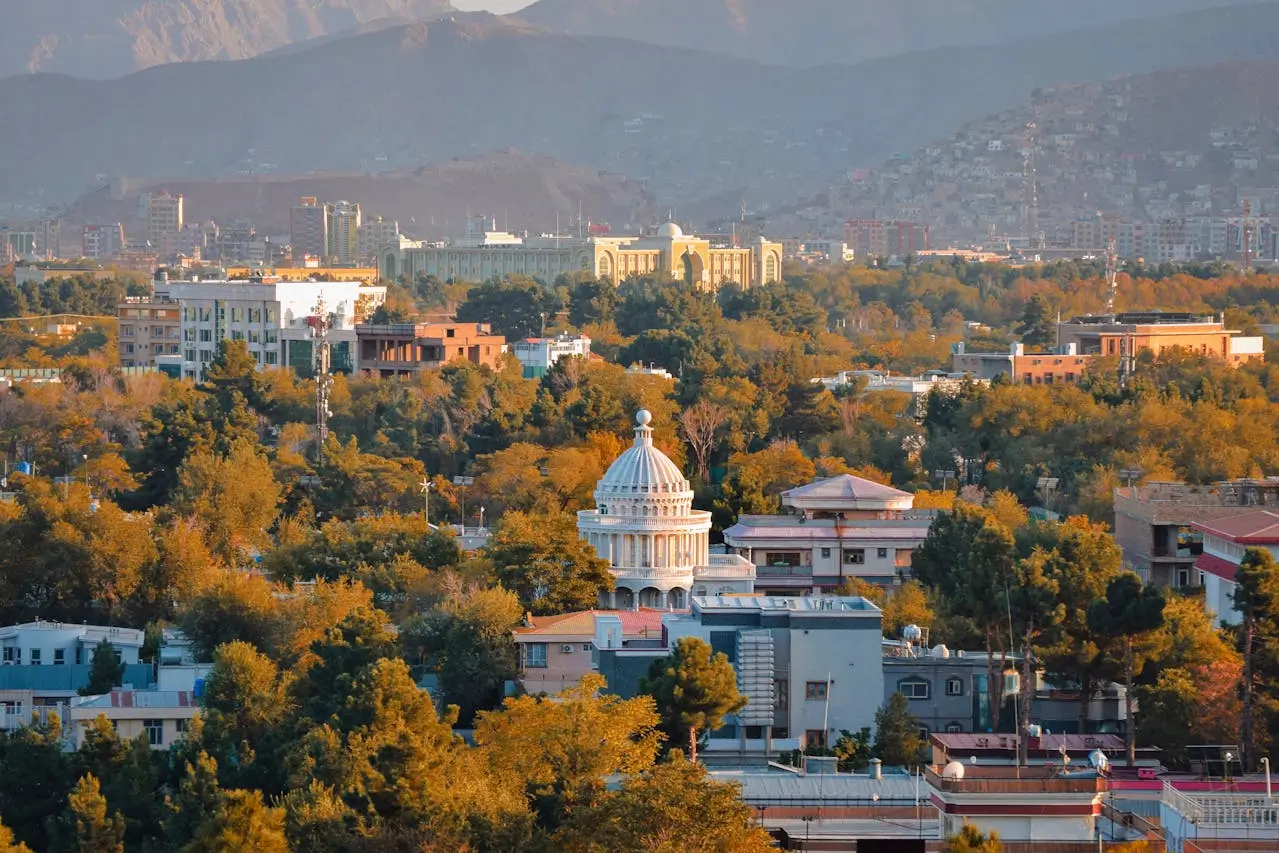
Afghanistan is a country of dramatic mountains, ancient cities, historic monuments, beautiful valleys, and landscapes that can change completely from one region to another.
For travelers interested in history, culture, photography, architecture, and nature, there is a lot to discover here.
From the busy streets of Kabul to the quiet mountains of Bamyan and the blue lakes of Band-e Amir, every destination has its own character.
At Turan Tours, we help travelers explore Afghanistan through guided and customized journeys, using local knowledge to make the experience more meaningful and practical.
If you are wondering where to go, here are some of the places worth considering for an Afghanistan tour.
1. Kabul – The Heart of Afghanistan
For most international travelers, Kabul is the natural starting point.
The capital is a fascinating introduction to Afghan history and everyday life. It is a busy city surrounded by mountains, with historic neighborhoods, bazaars, gardens, museums, mosques, and cultural landmarks.
One of the most recognizable places to visit is Babur Garden, a historic Mughal garden where the founder of the Mughal Empire, Babur, is buried. The garden is also part of Kabul’s cultural heritage.
Other places that can be included in a Kabul itinerary include:
- Darul Aman Palace
- National Museum of Afghanistan
- Babur Garden
- Historic mosques
- Local bazaars
- Traditional markets
- Kabul viewpoints
Kabul is also a good place to experience Afghan food.
Try traditional dishes such as Kabuli pulao, mantu, ashak, bolani, and fresh naan, and take some time to explore the city’s tea culture.
A good Kabul tour should not be only about monuments. Walking through the city, meeting local people, and seeing everyday life are an important part of the experience.
2. Bamyan – History in the Mountains
Bamyan is one of Afghanistan’s most famous destinations.
Located in the central highlands, Bamyan is surrounded by dramatic mountains and is known around the world for the archaeological remains of the Buddhas of Bamyan.
The giant Buddha statues were destroyed in 2001, but their enormous niches remain carved into the cliffs. The surrounding cultural landscape is part of the UNESCO-listed Cultural Landscape and Archaeological Remains of the Bamiyan Valley.
But Bamyan is much more than the Buddha niches.
Visitors can explore:
- Shahr-e Gholghola
- Shahr-e Zuhak
- Ancient caves and archaeological remains
- Bamyan Valley
- Local markets
- Mountain landscapes
The wide valley and surrounding cliffs also make Bamyan an excellent destination for photography.
For travelers who enjoy history and nature together, Bamyan is one of the places that can make a strong impression.
3. Band-e Amir – Afghanistan’s Blue Lakes
If you have seen photographs of Afghanistan’s brilliant blue lakes, there is a good chance you have seen Band-e Amir.
Located in Bamyan Province, Band-e Amir is a group of natural mountain lakes separated by natural dams. It is recognized as Afghanistan’s first national park and is one of the country’s best-known natural attractions.
The deep blue water surrounded by pale mountains creates a landscape unlike almost anywhere else in Afghanistan.
Visitors can spend time walking around the lakes, taking photographs, enjoying the mountain scenery, and experiencing the quiet atmosphere.
Band-e Amir is commonly combined with Bamyan because the two destinations complement each other so well.
A typical journey might involve spending time in Bamyan before continuing to Band-e Amir for a full-day excursion.
4. Herat – Art, Architecture and History
In western Afghanistan, Herat offers a very different experience.
The city has a long history as a center of culture, scholarship, trade, and architecture. Its historic monuments reflect the importance of Herat throughout different periods of Afghan and Central Asian history.
Some of the city’s important sights include:
- Herat Citadel
- Herat Friday Mosque
- Musalla Minarets
- Historic bazaars
- Old city areas
- Gazurgah
The Friday Mosque is particularly impressive for travelers interested in Islamic architecture and tilework.
Herat’s bazaars are also worth exploring. Traditional crafts, carpets, spices, dried fruit, and other local products give visitors a chance to see the city as a living community rather than simply a collection of historic monuments.
If you enjoy architecture, history, and culture, Herat can be an important part of an Afghanistan itinerary.
5. Mazar-e Sharif – The Blue Mosque
Mazar-e Sharif is one of northern Afghanistan’s most important cities.
The city is famous for the Shrine of Hazrat Ali, commonly known as the Blue Mosque, with its striking blue and turquoise tilework.
The shrine and surrounding area are an important religious and cultural destination. Visitors should always follow local customs and any guidance regarding access and photography.
Mazar-e Sharif can also be used as a base for exploring the surrounding historical region.
One of the most important nearby destinations is the ancient city of Balkh.
6. Balkh – The Ancient City
Not far from Mazar-e Sharif is Balkh, one of the great historic cities of the region.
Balkh has been associated with ancient civilizations, trade, religion, scholarship, and major historical figures.
The city was once known as Bactra and has a history stretching back thousands of years.
Today, visitors can explore its archaeological remains and historic sites while imagining the importance the city once had along the ancient routes connecting Central and South Asia.
For travelers who enjoy archaeology and ancient history, Balkh is a fascinating addition to a northern Afghanistan tour.
7. Panjshir Valley – Mountains and Green Landscapes
The Panjshir Valley is known for its dramatic mountain scenery.
The Panjshir River runs through the valley, with villages, farmland, and steep mountains surrounding the road.
The scenery changes throughout the year. In spring and summer, parts of the valley become green and colorful, while autumn brings a different atmosphere to the mountains.
Panjshir also has an important place in modern Afghan history, and visitors interested in the country’s recent history can learn more about the people and events associated with the region.
For photographers, the combination of mountains, river valleys, villages, and changing light makes Panjshir particularly interesting.
8. Wakhan Corridor – Afghanistan’s Remote Northeast
For travelers looking for a completely different experience, there is the Wakhan Corridor.
Located in Badakhshan in northeastern Afghanistan, Wakhan is a narrow mountainous region extending toward the borders with Tajikistan, Pakistan, and China.
The region is known for its high mountains, remote valleys, traditional communities, and extraordinary landscapes.
Traveling in Wakhan is very different from visiting Kabul, Herat, or Mazar-e Sharif.
Distances are long, infrastructure is limited, and road conditions can be challenging. A journey there requires careful planning, appropriate transportation, local coordination, and flexibility.
For travelers interested in remote landscapes and cultural experiences, however, Wakhan can offer a memorable journey.
9. Ghazni – The Ghaznavid Heritage
South of Kabul, Ghazni has an important place in Afghanistan’s history.
The city was once the capital of the Ghaznavid Empire and became an important center of culture, scholarship, and power.
Among the historic attractions are the famous Ghaznavid minarets and other archaeological remains associated with the city’s medieval history.
Ghazni can be particularly interesting for travelers who want to understand the medieval history of Afghanistan and the wider region.
Depending on current travel conditions and the itinerary, it can be incorporated into a longer historical journey.
10. Minaret of Jam – A Remote Historical Treasure
The Minaret of Jam is one of Afghanistan’s most remarkable historic monuments.
Located in a remote valley in Ghor Province, the minaret dates from the Ghurid period and rises dramatically above the surrounding landscape.
Its remote location is part of what makes the journey unusual.
Unlike destinations that can be reached relatively easily from major cities, traveling to the Minaret of Jam requires considerably more planning and flexibility.
For travelers interested in archaeology and Islamic architecture, it can be an extraordinary destination.
The route and access should always be confirmed before planning the journey.
11. Kandahar – An Important Part of Afghan History
Kandahar has played a major role in the history of Afghanistan and remains an important cultural and historical center in the south.
The city and surrounding region are connected with important periods of Afghan history, including the formation of the modern Afghan state.
Travelers interested in Afghan history may want to include Kandahar in a broader itinerary when local conditions and travel arrangements allow.
As with other destinations, visitors should receive current local guidance before traveling.
Which Places Should You Visit?
There is no single itinerary that works for every traveler.
If you have only a few days, Kabul and Bamyan can provide an introduction to Afghanistan’s capital, history, and central highlands.
If you have more time, adding Band-e Amir gives you the chance to see one of the country’s most spectacular natural landscapes.
Travelers interested in architecture and history may want to include Herat, Mazar-e Sharif, and Balkh.
For mountain scenery, Panjshir can be an interesting addition.
And for experienced travelers looking for a remote journey, Wakhan offers an entirely different side of Afghanistan.
A Possible Afghanistan Tour Route
A longer itinerary can combine several of these destinations.
For example:
Kabul → Bamyan → Band-e Amir → Mazar-e Sharif → Balkh → Herat → Kabul
A different itinerary could focus more heavily on the mountains:
Kabul → Panjshir → Bamyan → Band-e Amir → Kabul
Longer journeys can potentially include destinations such as Wakhan or the Minaret of Jam, but these require additional planning because of their remote locations.
The exact route should be designed around your travel dates, interests, transportation, permits, and current local conditions.
Best Time to Visit Afghanistan
The best time for a particular destination depends on its altitude, climate, and road conditions.
Spring and autumn can offer pleasant conditions in many parts of the country, while summer can be especially attractive in some high-altitude areas such as Bamyan and Band-e Amir.
Mountain destinations can become difficult to access during winter, and weather can affect road conditions.
Before booking a tour, it is important to check current conditions for the specific destinations on your itinerary.
Travel With Local Knowledge
Traveling through Afghanistan requires more preparation than an ordinary holiday.
Routes can be long, roads can be challenging, and requirements for traveling between regions can change.
This is why local knowledge is important.
At Turan Tours, we help travelers plan their routes, arrange local transportation and guides, and coordinate the practical details of their journey according to the itinerary.
We can also create customized trips for travelers who have a particular interest in history, photography, culture, architecture, or nature.
Responsible Travel in Afghanistan
Visitors should respect local customs throughout their journey.
Dress modestly, ask before photographing people, respect religious places, and follow the advice of your local guide.
It is also important to understand that conditions can change quickly.
Before traveling, check current official travel advice from your own government and confirm local requirements with your tour operator.
Plan Your Afghanistan Journey With Turan Tours
Afghanistan is a country with many different faces.
You can explore the history of Kabul, stand beneath the cliffs of Bamyan, look across the blue lakes of Band-e Amir, admire the architecture of Herat, discover the ancient history of Balkh, travel through the mountains of Panjshir, or venture into the remote landscapes of Wakhan.
Every destination offers something different.
At Turan Tours, we help travelers experience these places with local knowledge and carefully planned itineraries.
Whether you have a few days or several weeks, we can help you build a journey around the places and experiences that interest you most.
Ready to explore Afghanistan? Contact Turan Tours and start planning your journey.
Frequently Asked Questions
What are the best places to visit in Afghanistan?
Popular destinations include Kabul, Bamyan, Band-e Amir, Herat, Mazar-e Sharif, Balkh, Panjshir, Wakhan, Ghazni, and the Minaret of Jam. The best choice depends on your interests, available time, and current travel conditions.
Is Bamyan worth visiting?
Bamyan is known for its archaeological heritage, mountain scenery, and the remains of the Buddha niches. It is also a convenient base for visiting Band-e Amir.
Can I visit Band-e Amir from Bamyan?
Band-e Amir is commonly combined with a Bamyan itinerary. Travel time and road conditions should be confirmed before departure.
What is Afghanistan famous for?
Afghanistan is known for its ancient history, mountain landscapes, archaeological sites, traditional culture, Afghan hospitality, historic cities, and places such as Bamyan and Band-e Amir.
Can I visit Wakhan on a short trip?
Wakhan is a remote destination and generally requires more time and planning than major Afghan cities. Transportation, permits, road conditions, and local requirements should be confirmed before arranging the journey.
Can Turan Tours create a customized Afghanistan itinerary?
Yes. Turan Tours can help create customized itineraries based on your interests, available time, group size, and destinations, subject to current travel conditions and local requirements.
Do I need a guide to visit Afghanistan?
Travel requirements can change, and requirements may differ by destination and nationality. Travelers should confirm current requirements before departure and arrange appropriate local support.
Final Thoughts
The best way to understand Afghanistan is to experience its diversity.
A trip can take you from a busy capital city to quiet mountain valleys, from ancient archaeological sites to vibrant bazaars, and from historic mosques to some of the most beautiful natural landscapes in the region.
If Afghanistan is on your travel list, take the time to plan carefully, travel respectfully, and leave room for the unexpected.
Turan Tours is here to help you discover Afghanistan, one destination at a time.